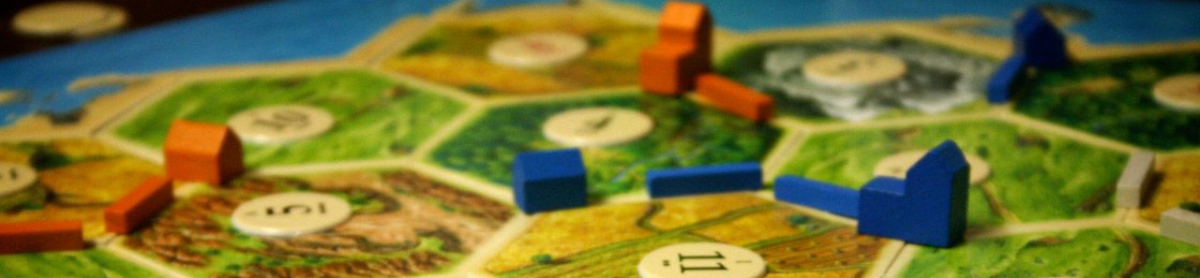
San Francisco’s Euro Gaming League (EGL) hosts weekly game nights, open to the public, on Mondays in San Francisco at a public venue in the inner Sunset.
The EGL is a board game club of fun, easygoing folks who get together to build community through tabletop board & card games. We love welcoming new people to the hobby & our events!
How to Attend Game Nights
Join the EGL’s events page on HEYLO to see our events & RSVP. You are also welcome to join us on Discord to stay abreast of events, ask questions, etc!
What to Expect at Game Night
Time
Monday game nights run from 6 – 10pm. Different tables may start games at different times but generally everyone will be engaged in a game by 6:15pm so it’s best to be prompt, otherwise you may have to wait around for the second round of games 😕
If you’re new to our game nights, we strongly advise arriving 10 minutes early (parking can be challenging so please plan accordingly) so you can be helped by one of our hosts before things get busy, particularly if you are new to games.
Finally, an RSVP is required to attend, as there’s often a waitlist. We may start admitting folks from the waitlist by ~6:10pm, so late attendees may have their spot given away; for this and the above reasons, please try your best to be prompt.
Cost
There’s no fee to attend Monday game nights, although our regular venue does charge a $7 cover (as of Dec 2025); if that’s an obstacle, we may be able to help.
Food/Drink
Since our venue is a game cafe, outside food & drink (other than water) aren’t allowed. Folks give the fare at The Game Parlour rave reviews, however!
What Games do we Play?
We generally have ~40 guests attending any given Monday game night, distributed among 9+ tables. We have a group of “table hosts” who are well-versed in teaching both classic & modern board games and will be more than happy to introduce you to both our games & people.
We pride ourselves on ensuring folks end up in a game of their preferred complexity level, i.e. that no one is “thrown into the deep end” of strategy games. See the FAQ for more information.
Nervous?
We get it! Showing up to an event for the first time – especially where everyone seems to know everyone else – can be nerve-wracking 😟 … but we hope you’ll give it a shot!
We are always happy for new players to join, as we enjoy building a fun community for folk of all sorts. If you have never played “modern” board games before, just ask someone to direct you to an EGL host, who can guide you into a game of your comfort level from our extensive games library!
Come solo or come with friends – either way you’ll find us to be a warm, welcoming group 😍


Want to host a game?
Folks are welcome to “pitch” a game to the crowd & gauge interest. We do recommend to attend a few game nights before offering up games to get familiar with the crowd & vibe. Additionally we ask everyone who’d like to host a table first review & agree to our “run a game” guidelines.
Can I bring my prototype/unreleased game?
We have had folks bring their in-development games to share & garner feedback. We’re currently formalizing policies for this type of sharing which we expecto to publish in early 2026. In the meantime, please reach out if you’d like to host a table with a yet-to-be-released game.
Questions?
See our FAQ or contact us via email or discord!


